


LATAG: The Unfolding of Visayan Abstraction
31 July - 15 August 2026
Sio Montera, Gary Custodio, Javy Villacin, Ed Defensor, Avie Felix, Eghai Roxas, Valen Valero, Naomi Banal, Arley Carig, Andrew de Guzman, Jessa Terez, Ceona Gonzales, Armand Dayoha, Jyaryd Caololan, Phil Angelo Sevilla, Kim Doque, Samantha Sanchez, Candy Casinillo, Rhou Ann Lopez, and Trisha Dayday
Curated by Dennis E. Montera, PhD
In both Cebuano and Tagalog, the word latag means to lay out, unfold, or reveal. It suggests something being laid open slowly, allowing form, thought, and possibility to emerge in their own time. Like abstraction itself, latag is less concerned with fixed meanings than with creating the conditions through which discovery may occur.
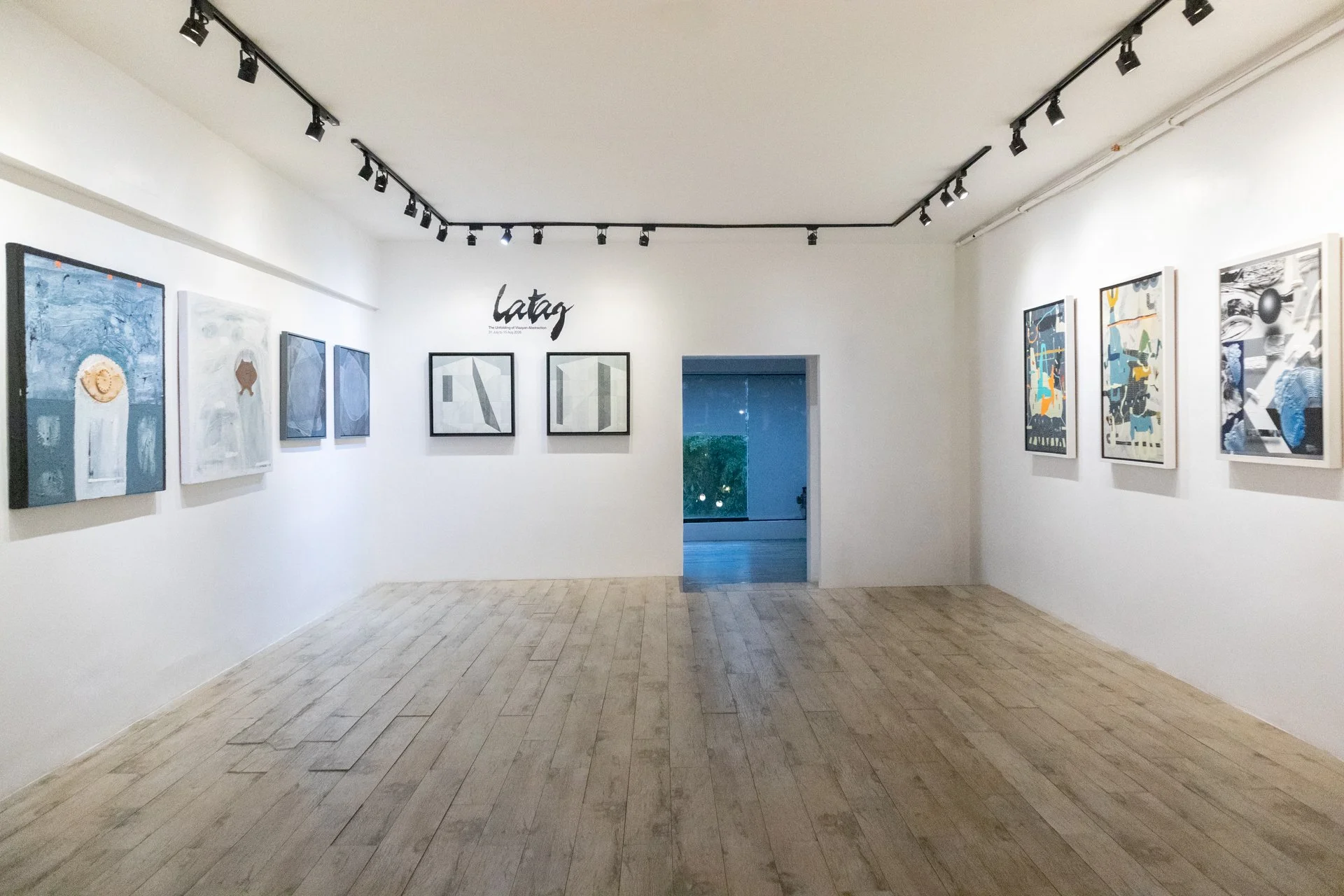
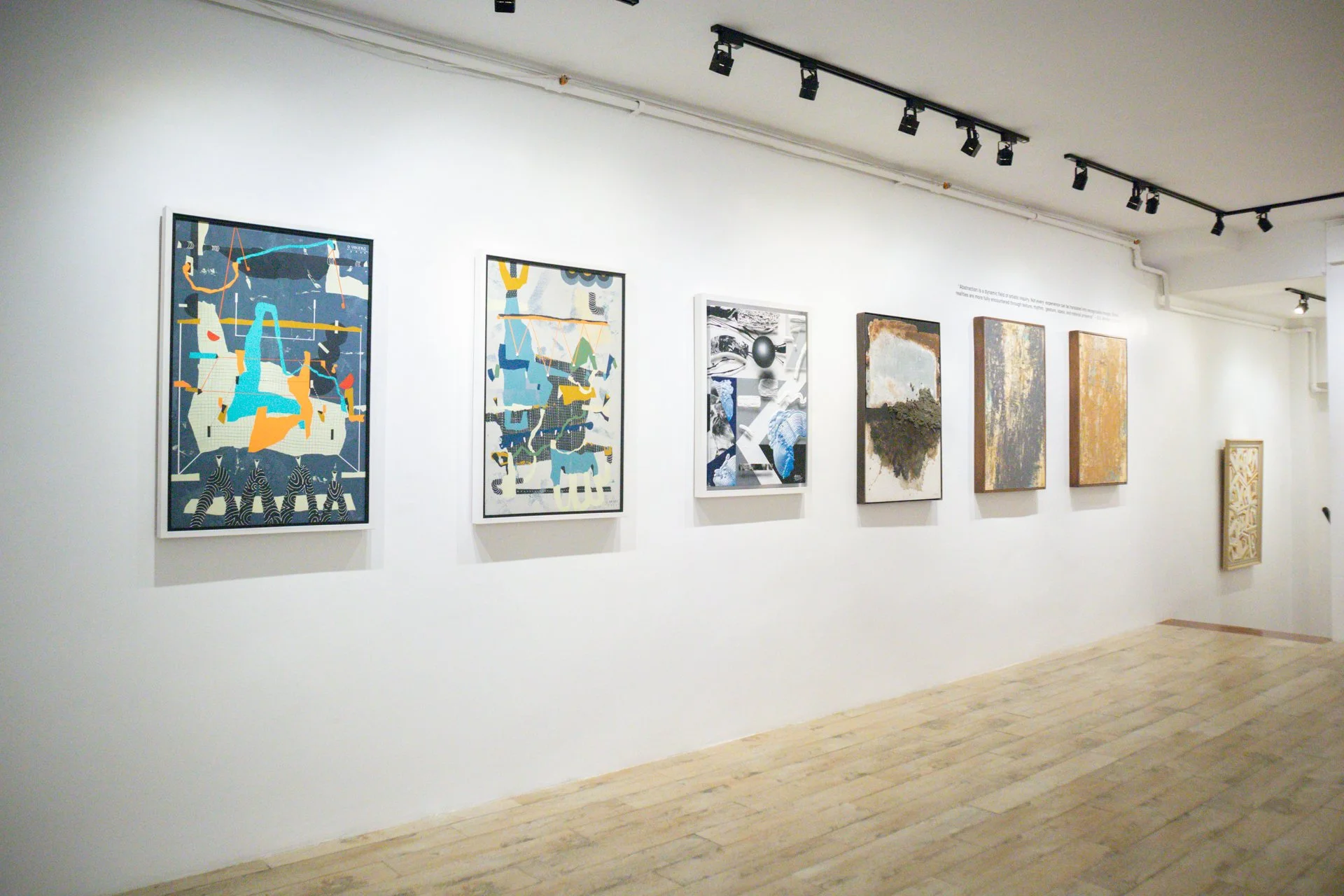
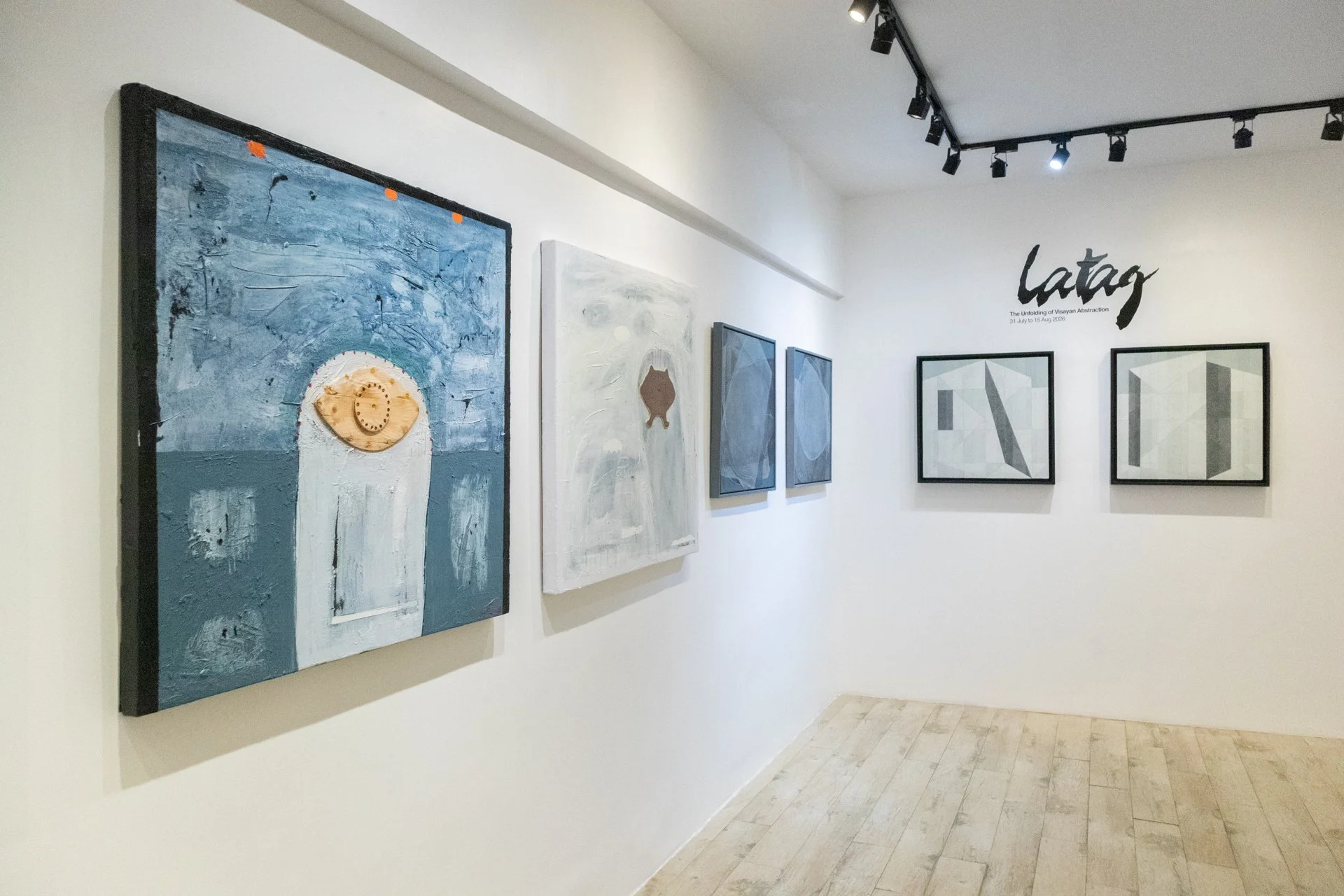
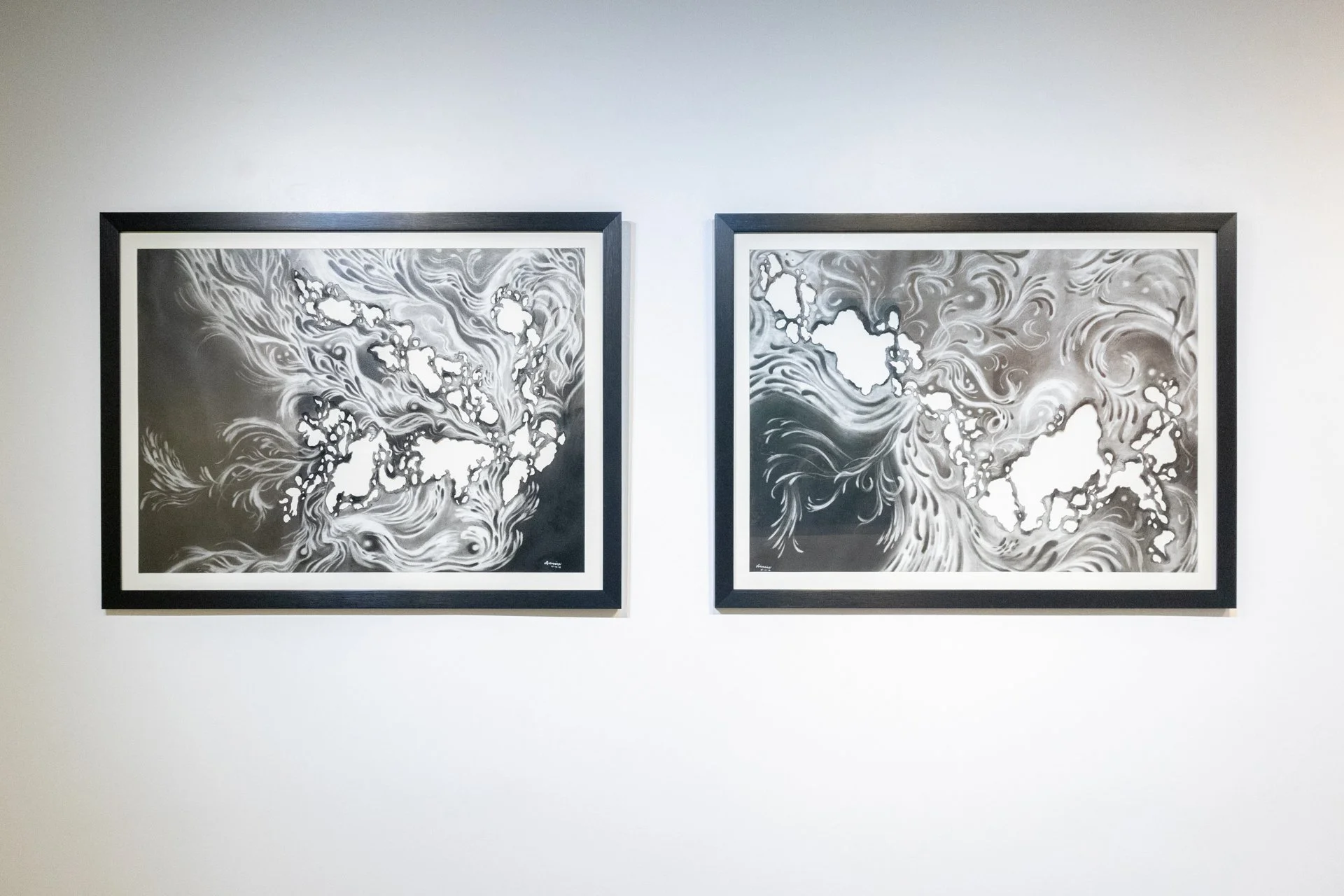
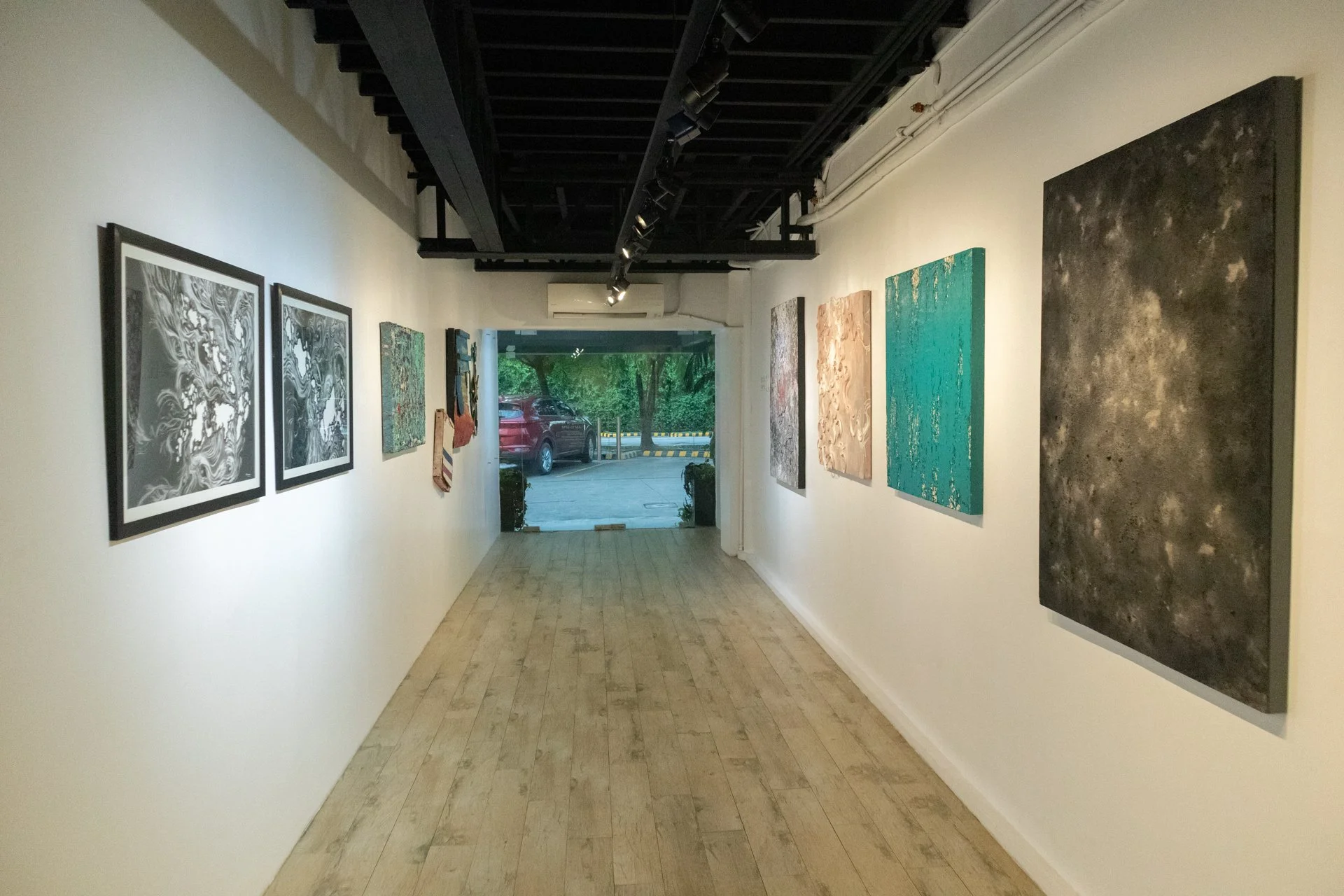
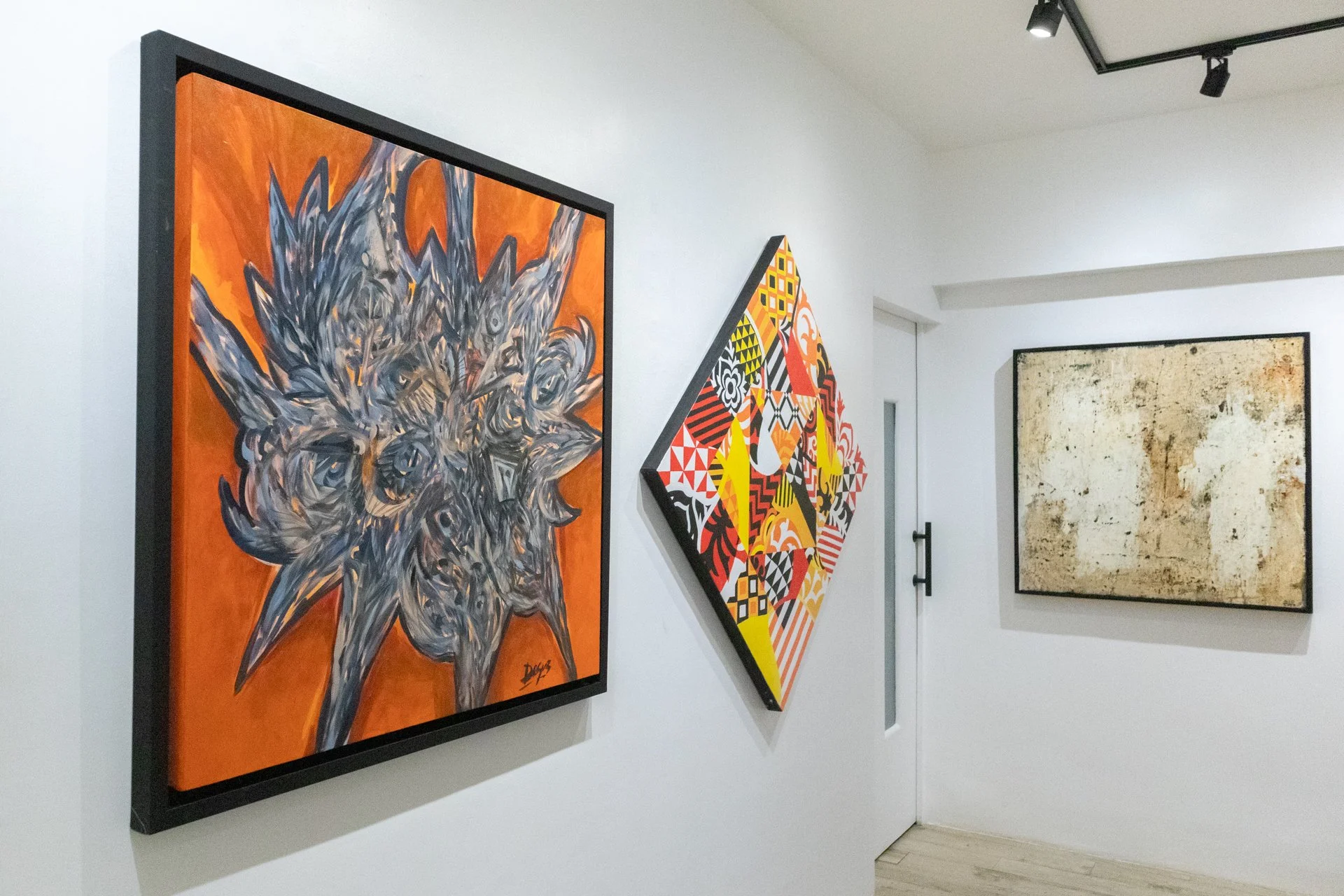
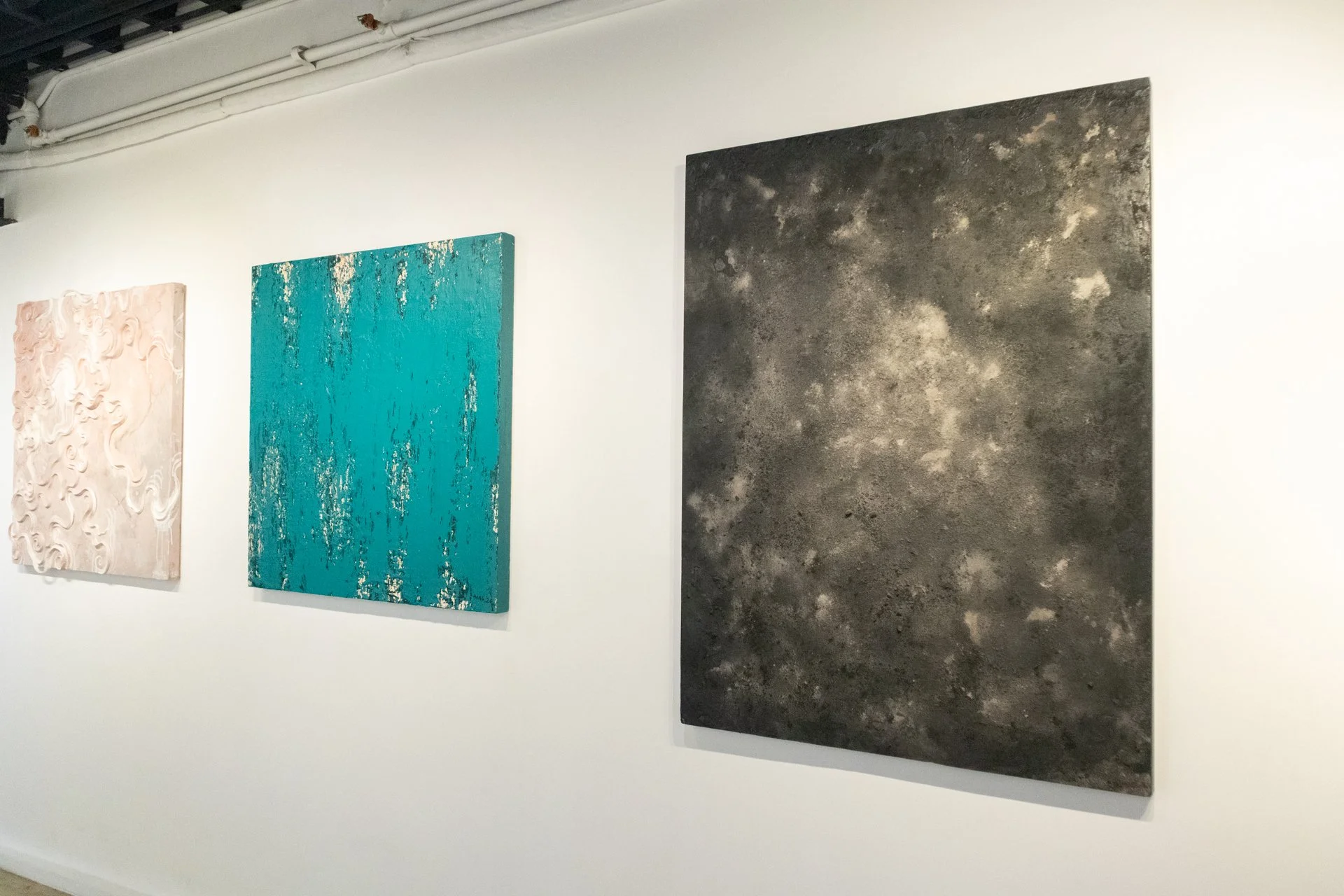
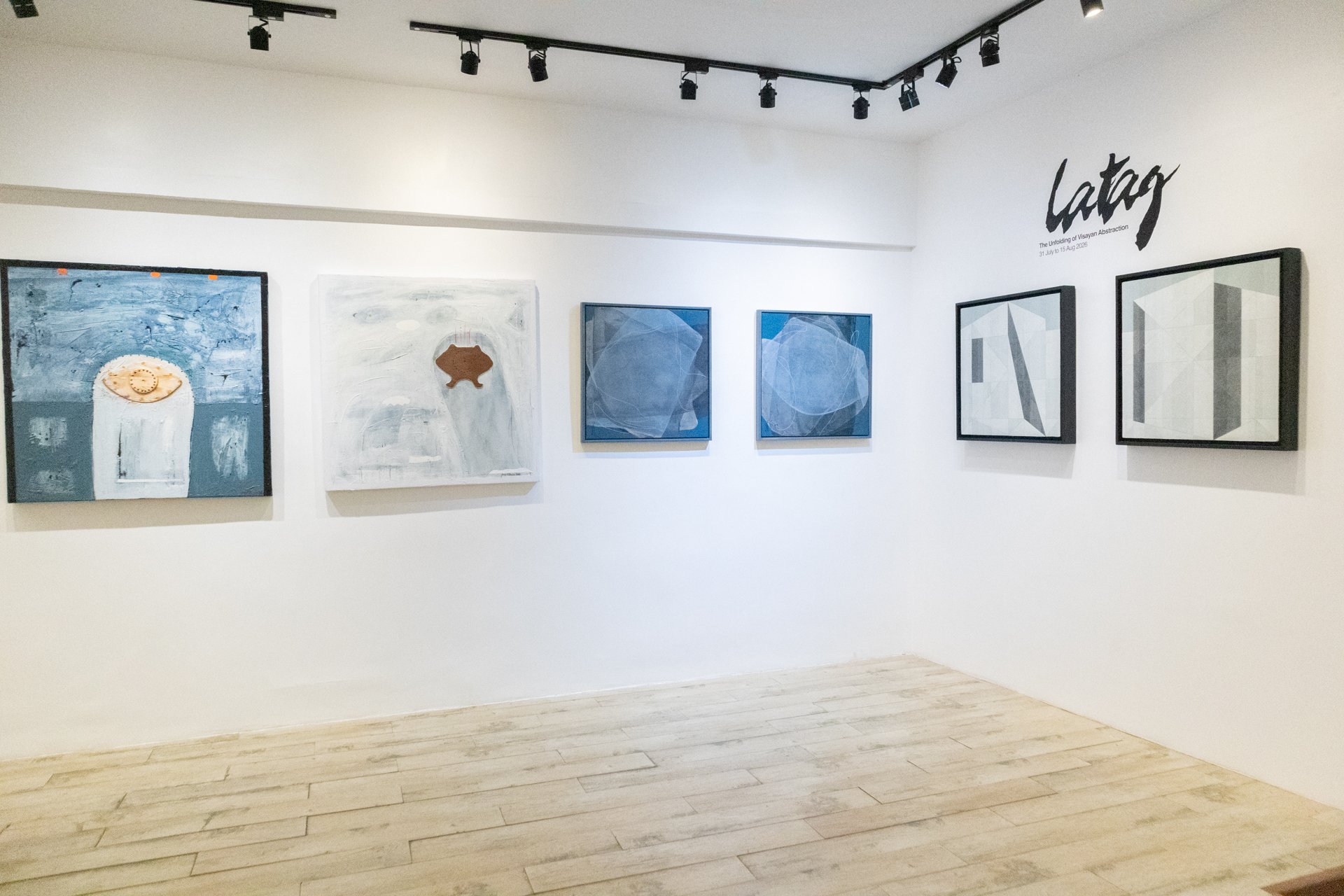
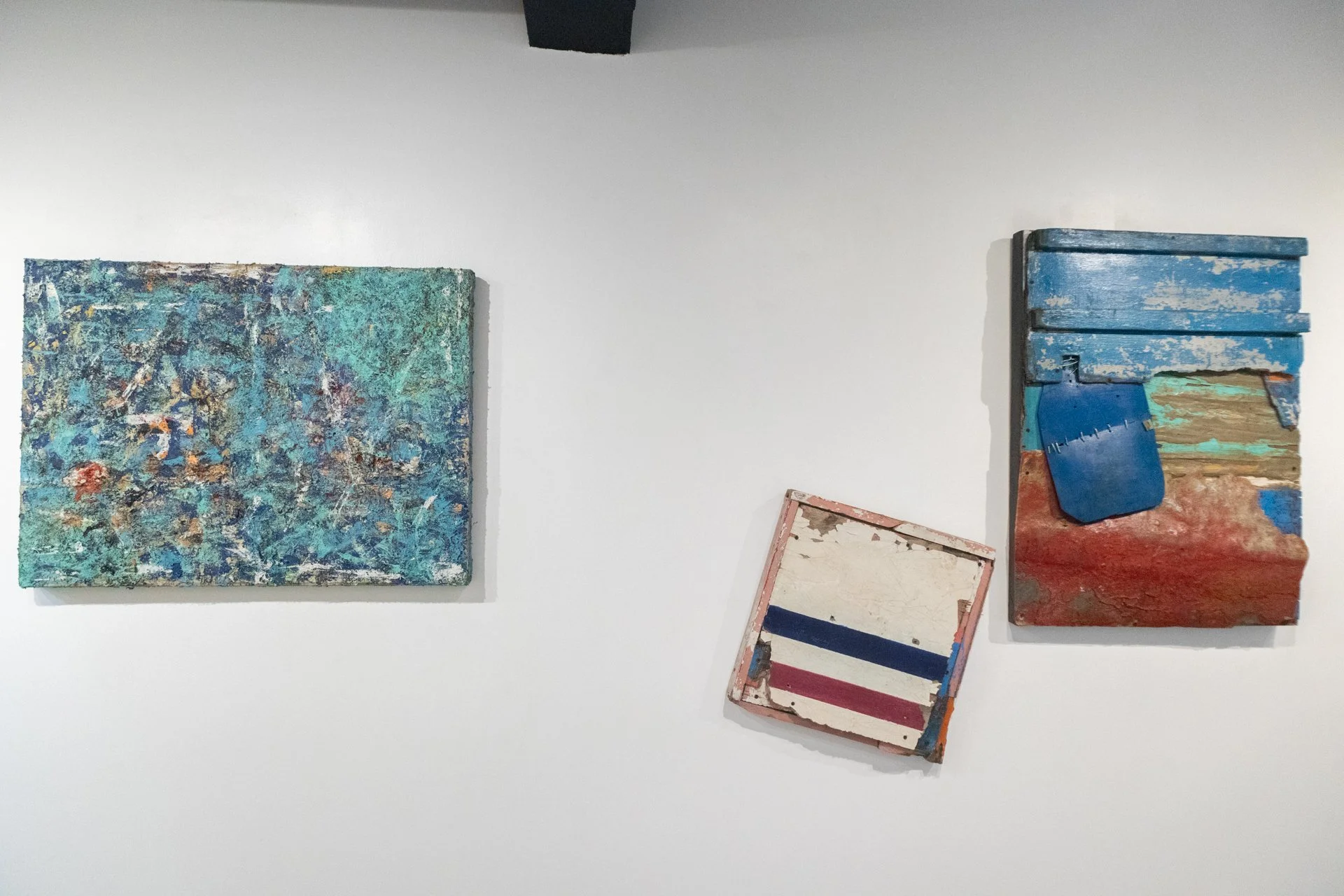
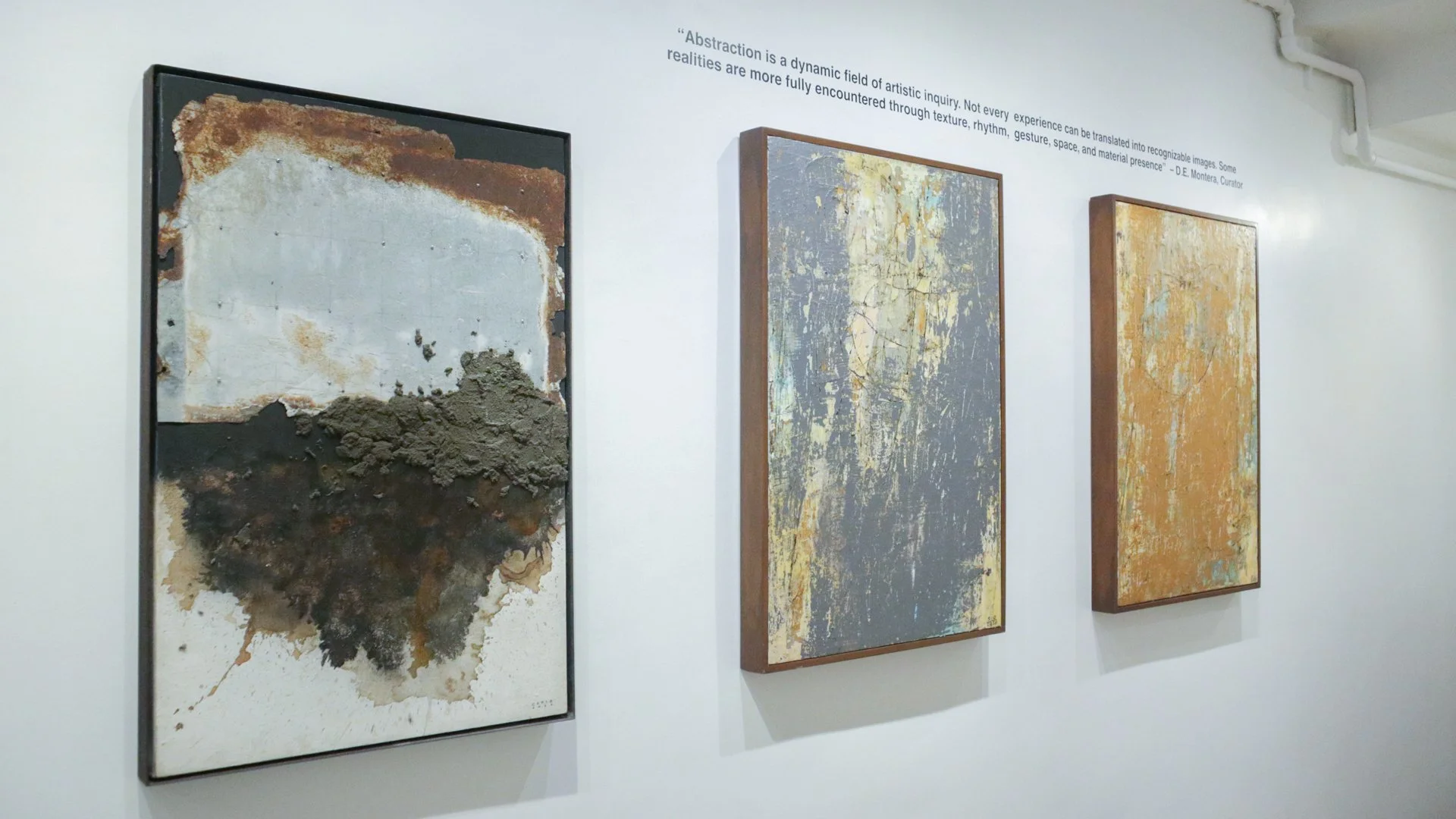
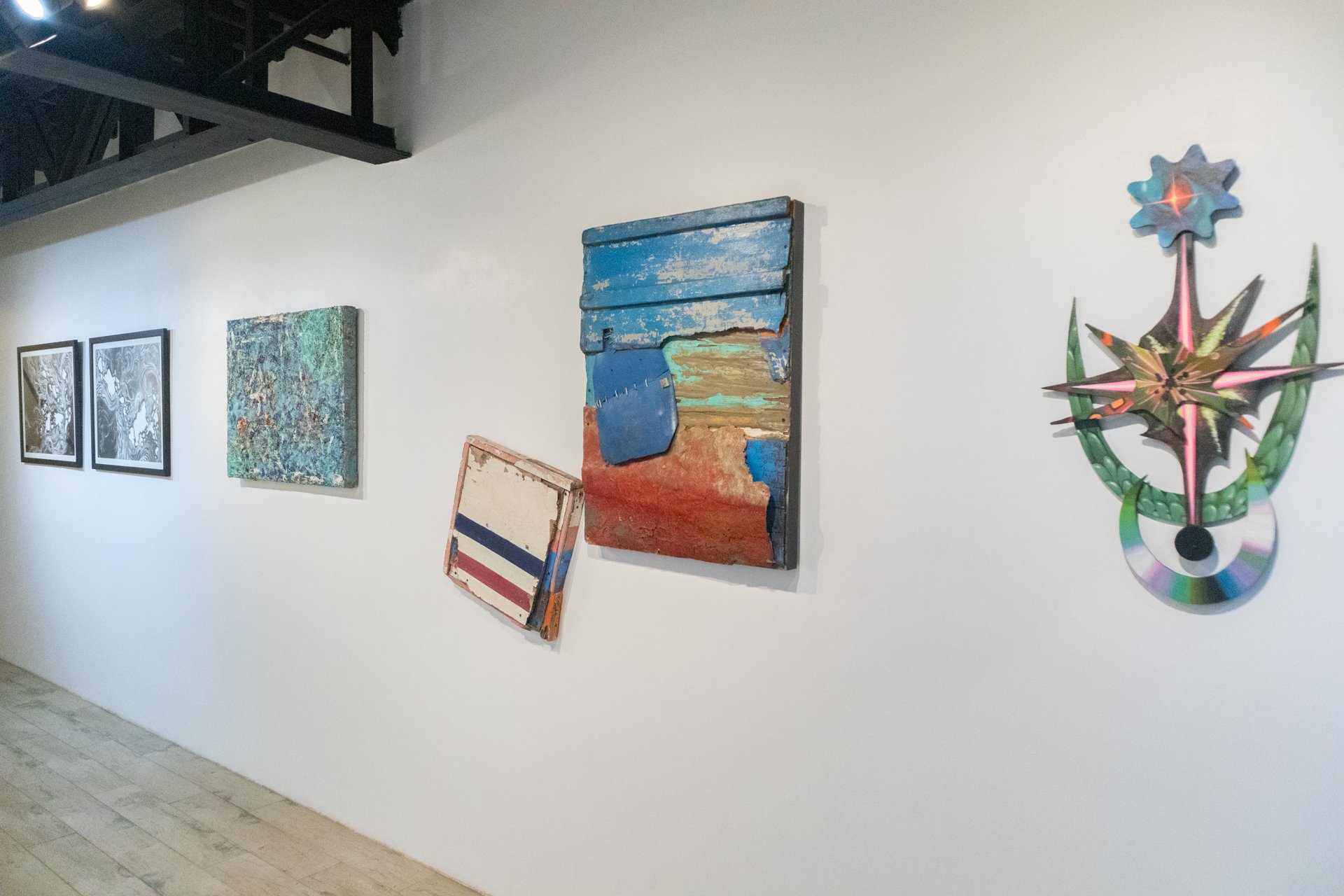
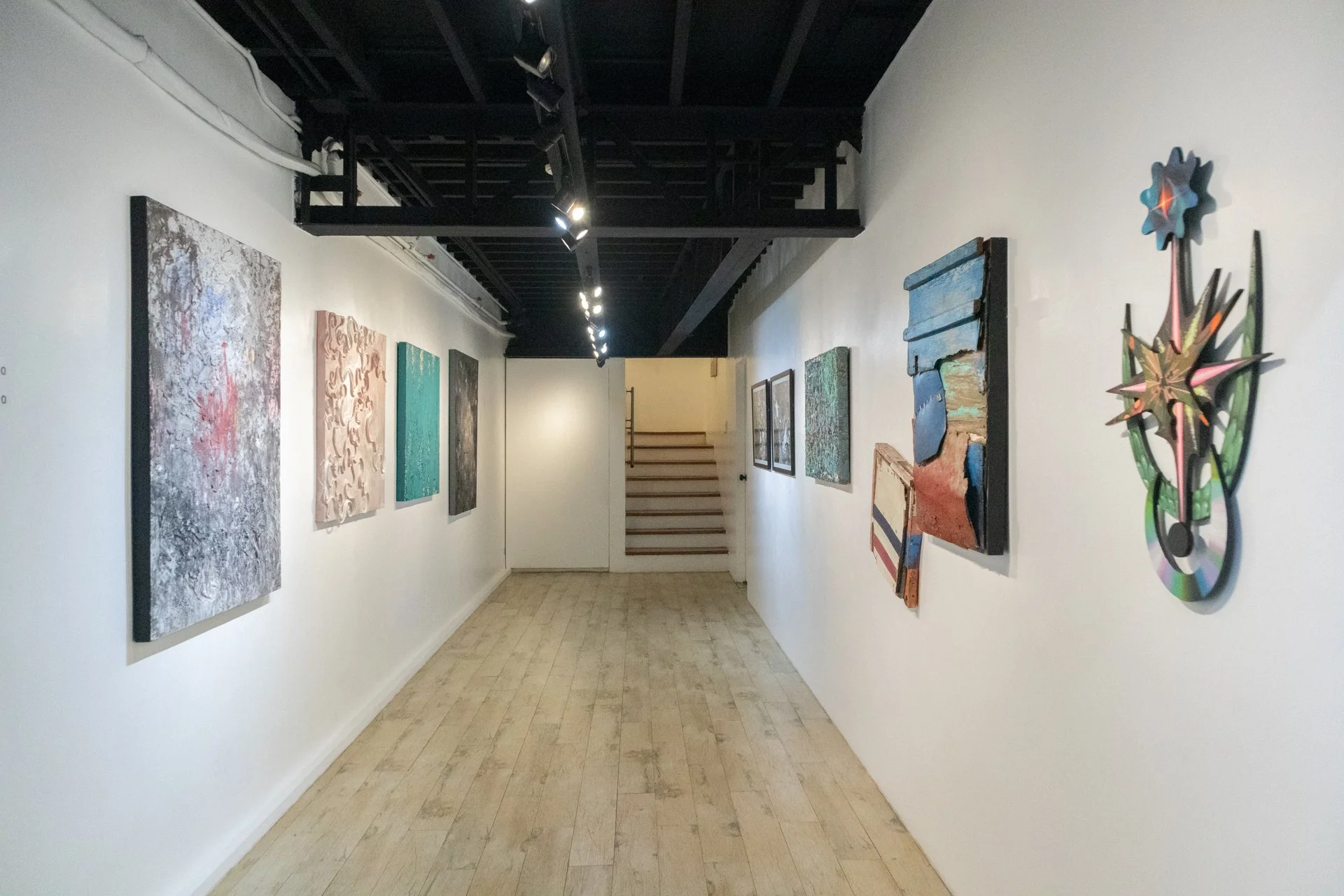
This exhibition grows out of recent research examining the methodologies and contextual approaches of established abstract artists in the Visayas. The Visayas region emerges not simply as a place on the map but as a living condition that shapes artistic thought; it is an active condition that shapes artistic process, modes of expression, atmosphere, and conceptual orientation. Within this context, abstraction becomes a way of inhabiting a place through material, gesture, and process instead of description.
LATAG brings together established abstract artists from the Visayas, guest artists from Manila, and a younger generation of practitioners from Cebu province whose practices continue to evolve through experimentation, material inquiry, and practice-led research. Distinct in method yet united in inquiry, the artists approach abstraction not as a singular style but as an open and evolving mode of artistic investigation.
Although abstraction has often been discussed through the formal relationships of color, composition, texture, and gesture, the works gathered here suggest a broader understanding. The works gathered here carry traces of memory, migration, environmental precarity, labor, resilience, and cultural identity. These histories are not illustrated. They are embedded in process, surface, rhythm, and material itself. Here, lived experience becomes inseparable from artistic form.
The works begin from different points of departure. Some artists build through measured geometry and quiet restraint; others embrace improvisation, erosion, layering, excavation, and chance. Their methods differ, yet each approaches abstraction as a way of thinking through experience instead of depicting it.
For many of the younger artists gathered here, making is itself a form of thinking. Ideas emerge through experimentation, revision, failure, and return. Their works remain unfinished in the best sense, continually testing what abstraction might become.
The presence of senior artists anchors this exhibition within decades of sustained practice. Their work reminds us that abstraction in the Visayas has persisted through shifting institutions, uneven support, and changing artistic climates. Their paintings do not stand as monuments to the past. They continue to move the conversation forward.
The inclusion of invited artists from Manila further expands this conversation. The exhibition sets aside familiar distinctions between center and periphery, treating abstraction as a shared language enriched by multiple histories and places. Contemporary Philippine abstraction emerges not from a single place but through exchange, movement, mentorship, and sustained artistic dialogue.
Throughout the exhibition, viewers encounter works that move between structure and spontaneity, material presence and quiet restraint. Some evoke landscape, memory, or emotion without direct representation; others resist narrative altogether. Rather than offering immediate explanations, they invite viewers to linger, observe, and allow meaning to unfold.
Perhaps this is a non-figurative abstraction's enduring contribution. Not every experience can be translated into recognizable images. Some realities are more fully encountered through texture, rhythm, gesture, space, and the surface’s physical presence. In doing so, abstraction creates room for reflection within a culture increasingly inclined toward certainty and instant interpretation.
LATAG proposes that Visayan abstraction is not a regional footnote to Philippine art but one of its living centers of inquiry. Its histories continue to unfold through studios, conversations, networks, exhibitions, and acts of making that bind artists across generations and places. Like the word latag itself, the exhibition leaves something open: not a conclusion, but an invitation to keep unfolding and make possible what has yet to emerge.
About the artists
Dennis "Sio" Montera is a Cebu-based multidisciplinary artist, educator, and cultural advocate whose practice spans painting, installation, and public art. He earned his Bachelor of Fine Arts from the University of the Philippines Diliman and a Ph.D. in Creative Industries Design from National Cheng Kung University in Taiwan. His abstract works emerge through layering, rupture, and sustained material experimentation, investigating how gesture, color, and texture can embody memory and lived experience beyond representation. Montera has represented the Philippines in numerous international exhibitions and biennales and is a recipient of major recognitions including the GSIS Art Competition and the Philippine Art Awards. A Full Professor at the University of the Philippines Cebu and recipient of the University Artist Award, he previously served as Head of the National Commission for Culture and the Arts' National Committee on Visual Arts, contributing significantly to Philippine art education, policy, and cultural development.
Ed Defensor is a multidisciplinary visual artist, educator, and cultural leader based in Iloilo City. Working across painting, printmaking, sculpture, and installation, his practice examines Philippine history, identity, and collective memory through expressive and materially rich forms. Defensor has exhibited extensively throughout the Philippines and internationally, including in South Korea, Singapore, and the United States. He is also recognized for major public art commissions, most notably the Lin-ay Sang Iloilo monument at Iloilo City Hall. Alongside his artistic practice, Defensor has served as an art history professor and has played an active role in promoting cultural development in Western Visayas, contributing to the region's vibrant contemporary art scene.
Naomi Banal is a contemporary Filipino painter celebrated for her vibrant floral abstractions and expressive explorations of color, movement, and growth. A graduate of the College of the Holy Spirit, Manila, where she majored in Advertising Arts, Banal has exhibited widely in leading galleries and art fairs across the Philippines, including Altro Mondo, Art Center, vMeme Contemporary Art Gallery, and ManilArt. Beyond her studio practice, she serves as President of Floral Artists Manila, advocating for the continued development of floral art as a contemporary artistic language. Her paintings evoke optimism and vitality through richly layered compositions, reflecting an enduring fascination with nature's capacity for transformation and renewal.
Jessa Chrisciel Banawa Terez (b. 1999) is a Cebu-based visual artist whose practice centers on abstraction, gesture, and material experimentation. Originally from Mindanao, she earned her Bachelor of Fine Arts in Studio Arts from the University of the Philippines Cebu in 2022. Her work explores action painting as a means of expressing movement, emotion, and embodied experience. Before graduating, she participated in the underwater cement sculpture installation 7even in Jasaan, Misamis Oriental, and presented work in the thesis exhibition From the Ground UP at the Jose Joya Gallery. Since 2018, Terez has actively participated in exhibitions that highlight emerging contemporary artists from the Visayas.
Jyaryd Caololan is a contemporary Cebu-based visual artist whose practice explores the expressive possibilities of abstraction through gesture, texture, and materiality. A graduate of the University of the Philippines Cebu Fine Arts program, he investigates how non-representational forms can evoke memory, atmosphere, and emotional resonance without relying on figuration. His layered surfaces and intuitive mark-making reflect an ongoing inquiry into structure, process, and the spatial relationships between presence and absence. Representing a new generation of Visayan abstractionists, Caololan's work has been featured in exhibitions highlighting emerging regional practices. His practice contributes to the evolving discourse on abstraction within contemporary Philippine art.
Rhou Ann Lopez is an emerging Cebuano visual artist whose practice explores identity, memory, and materiality through contemporary painting and mixed media. Trained at the University of the Philippines Cebu Fine Arts program, she investigates how texture, form, and layered surfaces can communicate personal and collective narratives. Her works balance abstraction and figuration, creating contemplative spaces that invite reflection on lived experience and cultural belonging. In 2026, Lopez was named a finalist at the 49th National Artist Jose T. Joya Awards, marking her as one of a new generation of artists contributing to the expanding discourse of contemporary art in the Visayas. Through an evolving studio practice, she continues to develop a visual language rooted in experimentation, sensitivity, and place.
Kim Doque (also known as Nabi) is an emerging Cebu-based multidisciplinary visual artist currently pursuing a Bachelor of Fine Arts in Studio Arts at the University of the Philippines Cebu. Working across drawing, painting, photography, graphic design, and digital media, her practice is rooted in close observation and meticulous visual composition. Influenced by fashion, portraiture, and contemporary visual culture, she creates works that balance technical precision with expressive sensitivity. Through continuous experimentation with both traditional and digital mediums, Doque explores themes of identity, femininity, and image-making, developing a distinctive visual language that reflects the perspectives of a new generation of contemporary Filipino artists.
Gary Custodio is a visual artist based in Kalibo, Aklan, whose practice explores abstraction through the rhythms and quietude of regional life. A graduate of the University of Santo Tomas with a degree in Fine Arts major in Painting, Custodio believes that working outside Metro Manila affords artists the space for sustained reflection and focused studio practice. His paintings are distinguished by richly layered surfaces and gestural compositions that balance spontaneity with formal control. Throughout his career, he has received numerous accolades, including First Prize at the GSIS National Art Competition and the Bangko Sentral ng Pilipinas Tanaw Art Competition. Custodio has mounted solo exhibitions across the Philippines and has participated extensively in group exhibitions, establishing himself as one of the leading voices in contemporary abstraction from the Visayas.
Eghai Roxas is one of the foremost practitioners of Philippine abstraction, known for dynamic compositions that balance expressive gesture with structural precision. A graduate of the University of the Philippines College of Fine Arts, he represented the Philippines at the 22nd São Paulo Biennale and has received numerous distinctions, including recognition from the Diwa ng Sining Awards, the Philip Morris Philippine Art Awards, and the Art Association of the Philippines. Often associated with the lineage of National Artist Jose Joya, Roxas approaches abstraction as an expansive field of movement, rhythm, and color. His works have been widely exhibited in the Philippines and abroad, reinforcing his enduring contribution to the evolution of modern Philippine abstract painting.
Arley Carig is a Manila-based visual artist whose abstract paintings are informed by the overlooked textures of urban environments. A graduate of the University of the East, he transforms weathered walls, rusted metal, asphalt, and architectural surfaces into evocative compositions that examine time, memory, and decay. His layered works reveal beauty within the ordinary, elevating traces of everyday life into immersive abstract landscapes. For more than a decade, Carig has exhibited in leading galleries throughout Metro Manila, establishing a distinctive visual language grounded in the material histories of the contemporary city.
Ceona Gonzales is an emerging Cebuano visual artist and graduate of the University of the Philippines Cebu Fine Arts program. Working primarily in abstraction, she investigates intuition, memory, and spatial perception through layered surfaces, fluid forms, and subtle tonal shifts. Her practice reflects a sustained interest in the emotional resonance of non-representational painting. Gonzales has participated in several independent exhibitions and artist-led initiatives.
Phil Angelo Sevilla is an emerging Cebuano visual artist and graduate of the University of the Philippines Cebu Fine Arts program. His multidisciplinary practice examines memory, displacement, and the material traces of lived experience through installation and object-based works. Rooted in the realities of community displacement in Barangay Banawa, Sevilla transforms salvaged architectural materials—including rusted roofing sheets, nails, and reclaimed domestic objects—into poignant reflections on loss, resilience, and belonging. Through processes such as rust-dyeing and material intervention, he allows deterioration itself to become a visual language. His installation What Remains received First Prize at the 49th National Artist Jose T. Joya Awards, affirming his growing reputation as an artist whose practice thoughtfully bridges personal narrative with broader social and environmental concerns.
Trisha Dianne Dayday is a Cebu-based visual artist whose interdisciplinary practice spans painting, installation, and mixed-media experimentation. A graduate of the University of the Philippines Cebu Fine Arts program, she investigates abstraction through material processes, spatial relationships, and collaborative modes of making. Her work reflects an interest in collective memory and alternative materialities, often embracing non-representational forms that emphasize gesture, texture, and accumulation. Dayday has participated in several emerging artist platforms, including the Binugkos thesis exhibition and the LITANYA installation circuit, where she presented works that explore the intersections of process, environment, and community. As part of a growing generation of Visayan contemporary artists, she continues to expand the possibilities of abstraction through thoughtful experimentation and material inquiry.
Samantha Sanchez is an emerging artist from Cebu working primarily with air-dry clay. A fourth-year Fine Arts student at the University of the Philippines Cebu, her process-driven practice explores the unconscious through form, texture, and material experimentation. Emphasizing repetition, touch, and intuition, she creates non-representational forms and works in sculpture and relief. Through the medium of clay, Sanchez examines how material engagement shapes perception and embodied experience, exploring themes of imagination, dreams, and memory. Her work seeks to blur the boundary between the tangible and the imagined, reflecting an ongoing interest in making, sensory experience, and the unseen aspects of consciousness.
Jose "Javy" Villacin Jr. (b. 1957) is a Cebu-based painter, printmaker, and educator whose practice has significantly shaped the visual arts landscape of the Visayas. Trained in painting at the University of the Philippines Diliman, he later pursued printmaking studies at the Byam Shaw School of Art in London. His work traverses abstraction, mythology, and cultural memory, often reflecting on the intersections of history, identity, and social experience. Beyond his studio practice, Villacin was instrumental in developing the Fine Arts program at the University of the Philippines Cebu, where he mentored generations of artists. His longstanding involvement in national cultural organizations has further contributed to advancing contemporary Philippine art through education, research, and institutional leadership.
Valen Valero (born Valerie Anne Feliza D.G. Valero) is a multidisciplinary visual artist and sculptor from San Fernando, La Union. Widely recognized as one of the leading voices in contemporary Philippine abstraction, her practice combines expressive geometry, layered color fields, handwritten codes, and symbolic notation to map emotional and psychological landscapes. With more than two decades of professional practice, Valero became the first female artist to receive First Prize at the GSIS National Art Competition. Her works have been exhibited extensively in the Philippines and internationally.
Andrew de Guzman is a Bulacan-based painter and sculptor whose practice is deeply rooted in the landscapes and cultural traditions of Pulilan. His paintings reinterpret familiar rural scenes through energetic brushwork, vibrant forms, and his signature spherical motifs, creating dynamic compositions that speak to movement, transformation, and collective memory. Alongside painting, he creates sculptural assemblages from reclaimed farm implements and industrial materials, addressing themes of heritage, environmental change, and community resilience. His work reflects an enduring engagement with the social and cultural narratives that continue to shape the Philippine countryside.
Armand Dayoha (b. 1996) is a Cebu-based visual artist, educator, and human rights advocate whose practice bridges contemporary painting, muralism, and community engagement. A graduate of Psychology and Fine Arts from the University of the Philippines Cebu, Dayoha draws from the lived experiences of marginalized communities, indigenous knowledge systems, and labor movements to construct visually compelling narratives. His works are characterized by densely layered compositions, vibrant palettes, and intricate patterns reminiscent of horror vacui, where every surface becomes charged with symbolism and meaning. Alongside his socially engaged public art projects, Dayoha continues to expand his studio practice through abstraction and material experimentation, examining how visual language can communicate collective memory, resistance, and cultural identity within contemporary Philippine art.
Candy Regine Casinillo is a Cebuano visual artist whose multidisciplinary practice examines the relationship between ecology, labor, and material culture through textile and mixed-media art. Raised in the coastal municipality of San Remigio, Cebu, her work draws deeply from the rhythms of maritime life and the experiences of fishing communities. A graduate of the University of the Philippines Cebu Fine Arts program, Casinillo transforms cotton rope, yarn, and found materials into tactile compositions that evoke ocean currents, coral formations, and woven histories. Her practice reflects a sustained commitment to environmental consciousness while honoring the labor and knowledge embedded within coastal traditions. In 2025, her work Depth Woven received First Prize at the 48th National Artist Jose T. Joya Awards, affirming her position as one of the region's promising emerging artists.
Avie Felix is a multidisciplinary artist, curator, educator, and writer whose practice bridges contemporary art, feminist research, and critical pedagogy. She holds degrees in Art Studies and Art History and teaches cinema studies and film theory at the University of the Philippines Film Institute. She is the founder of Young Artists' Studio and the curator-run space vMeme Contemporary Art Gallery. Felix was curator of the Philippine Pavilion at the 15th Gwangju Biennale. Across her artistic, curatorial, and scholarly work, she explores feminist identity, archival histories, materiality, and collaborative modes of artistic practice.
Selected Works
-
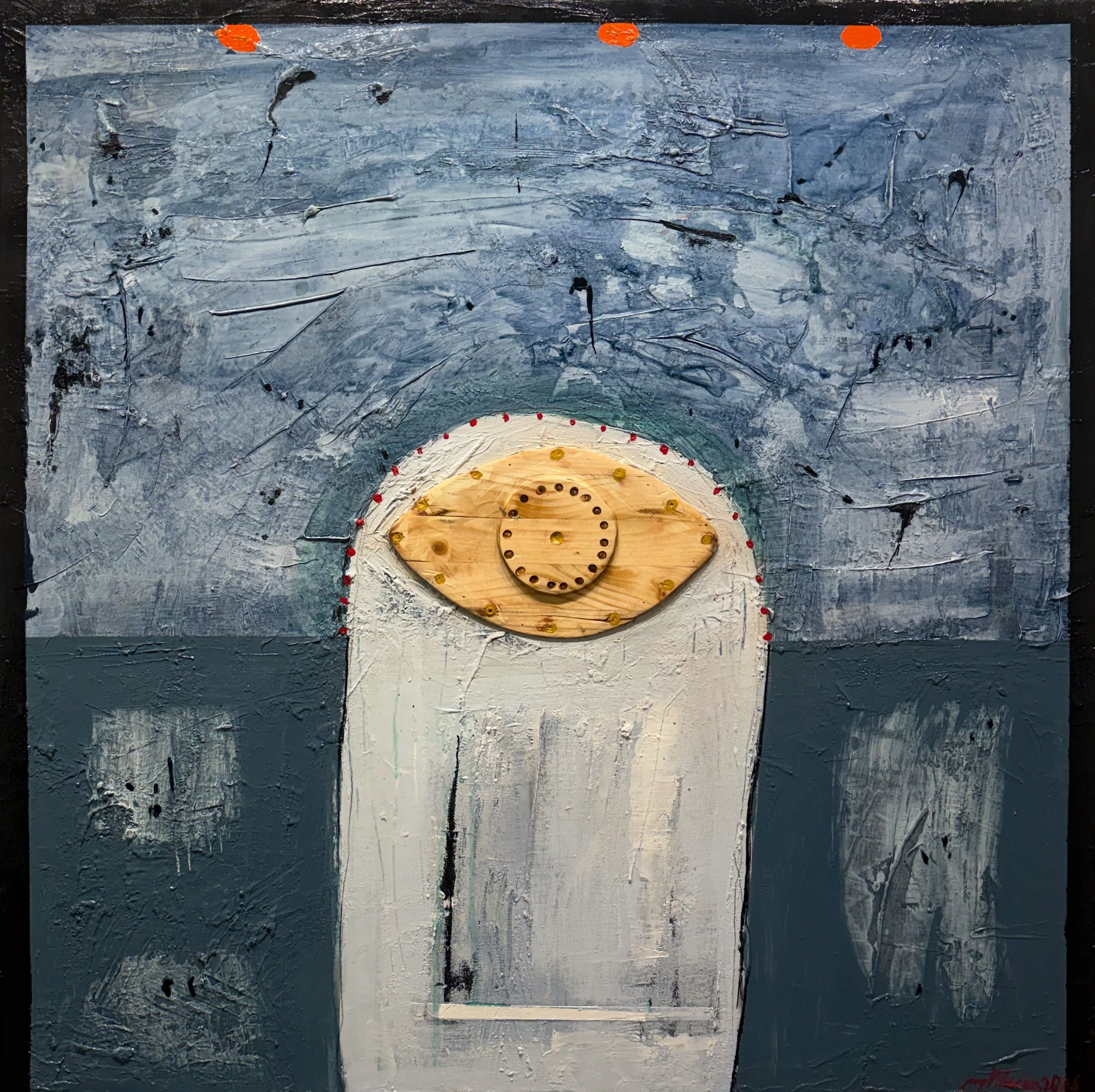
Javy Villacin
Spatial Bisdak, 2026
-
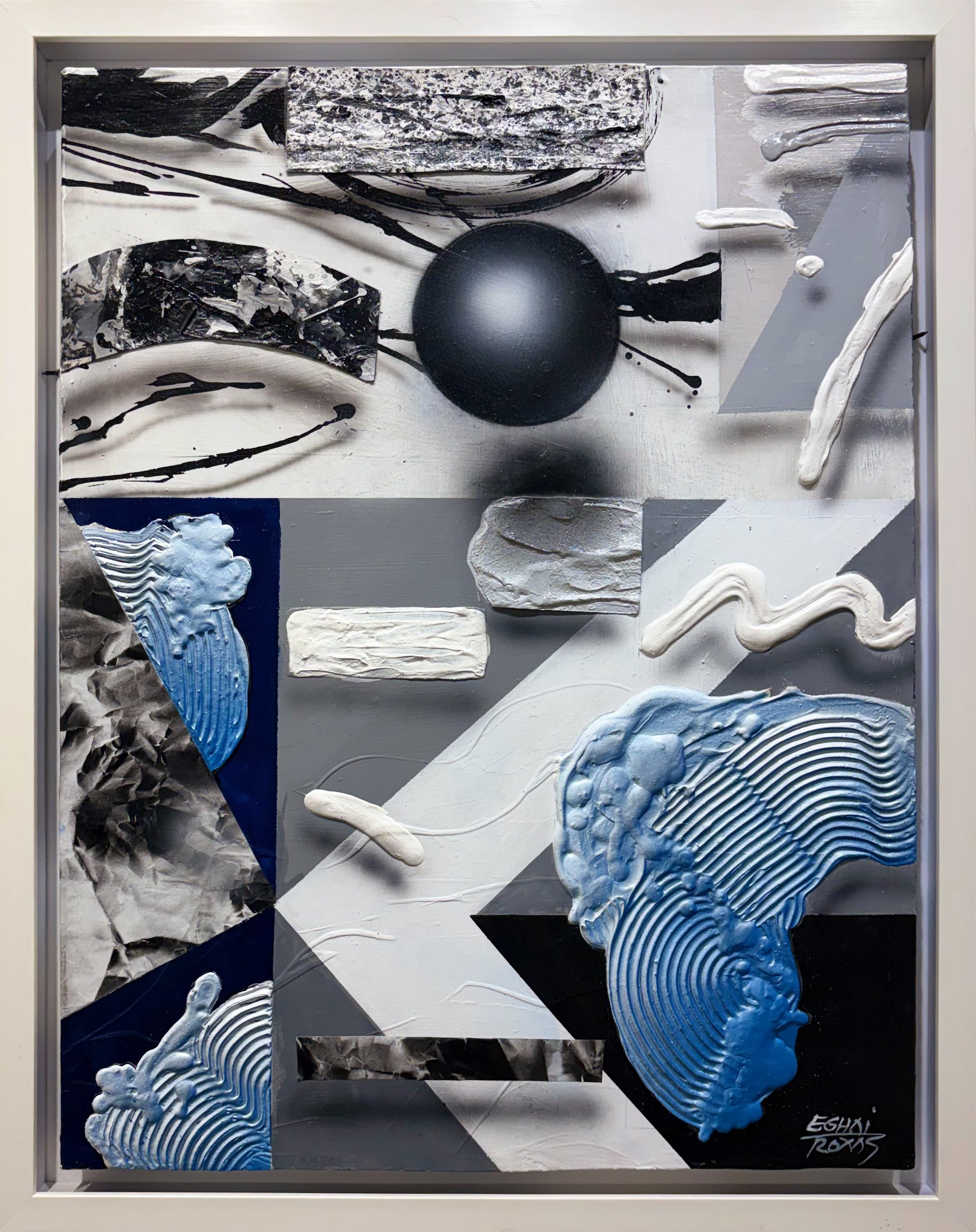
Eghai Roxas
The Blue Horizons, 2026
-
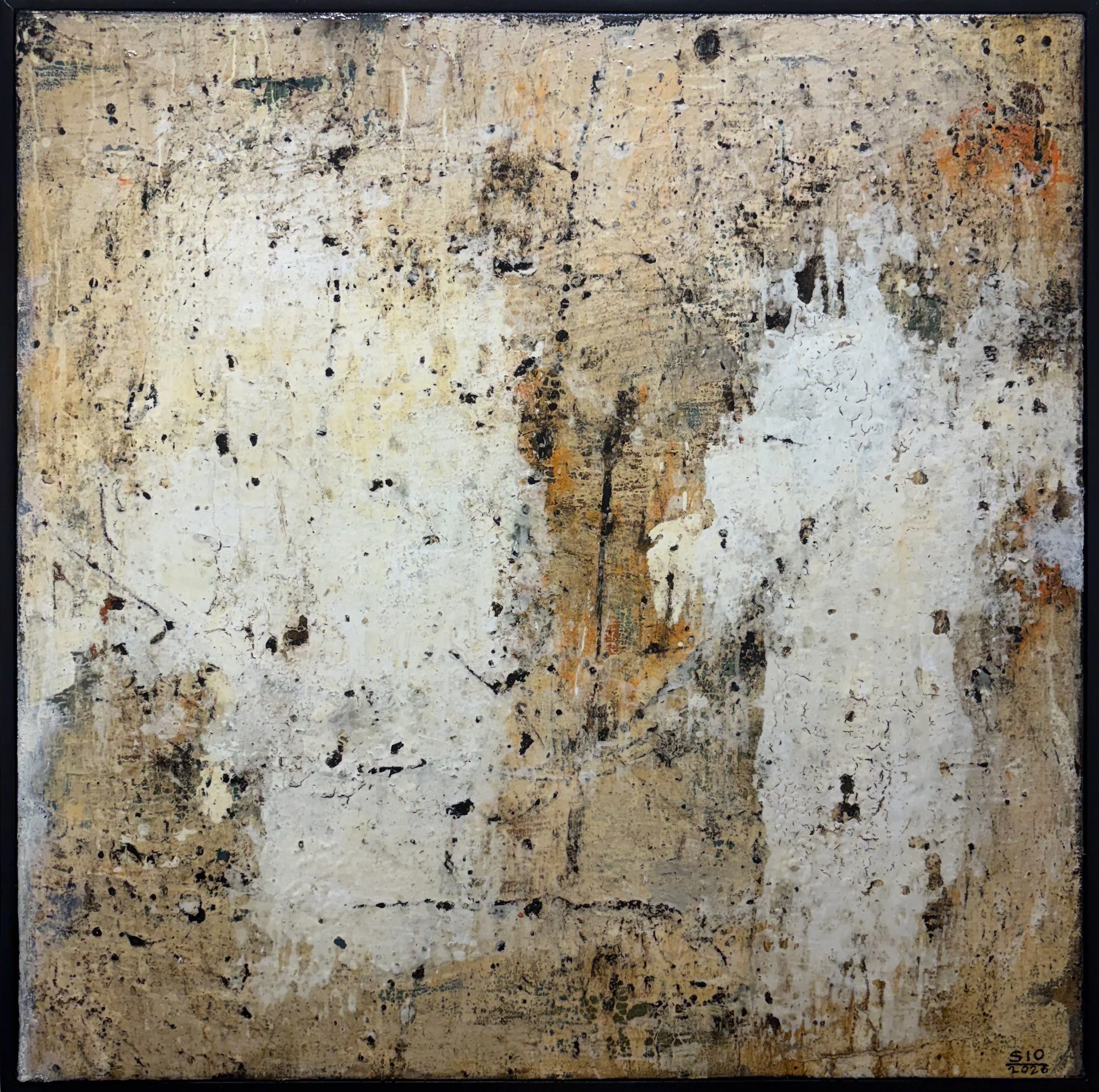
Sio Montera
After the Waters Recede II, 2026
-
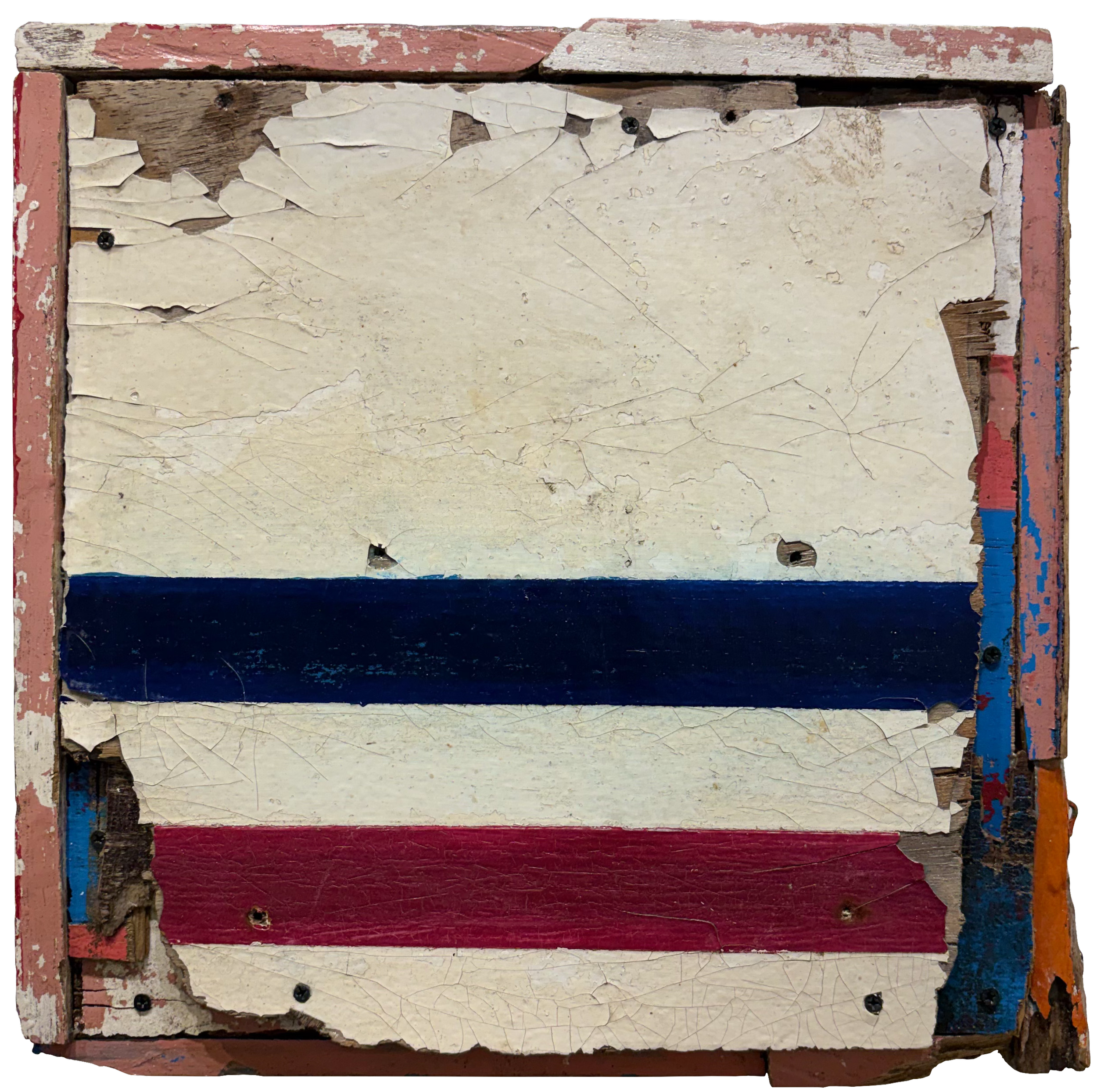
Candy Regine Casinillo
Linaw, 2026
-
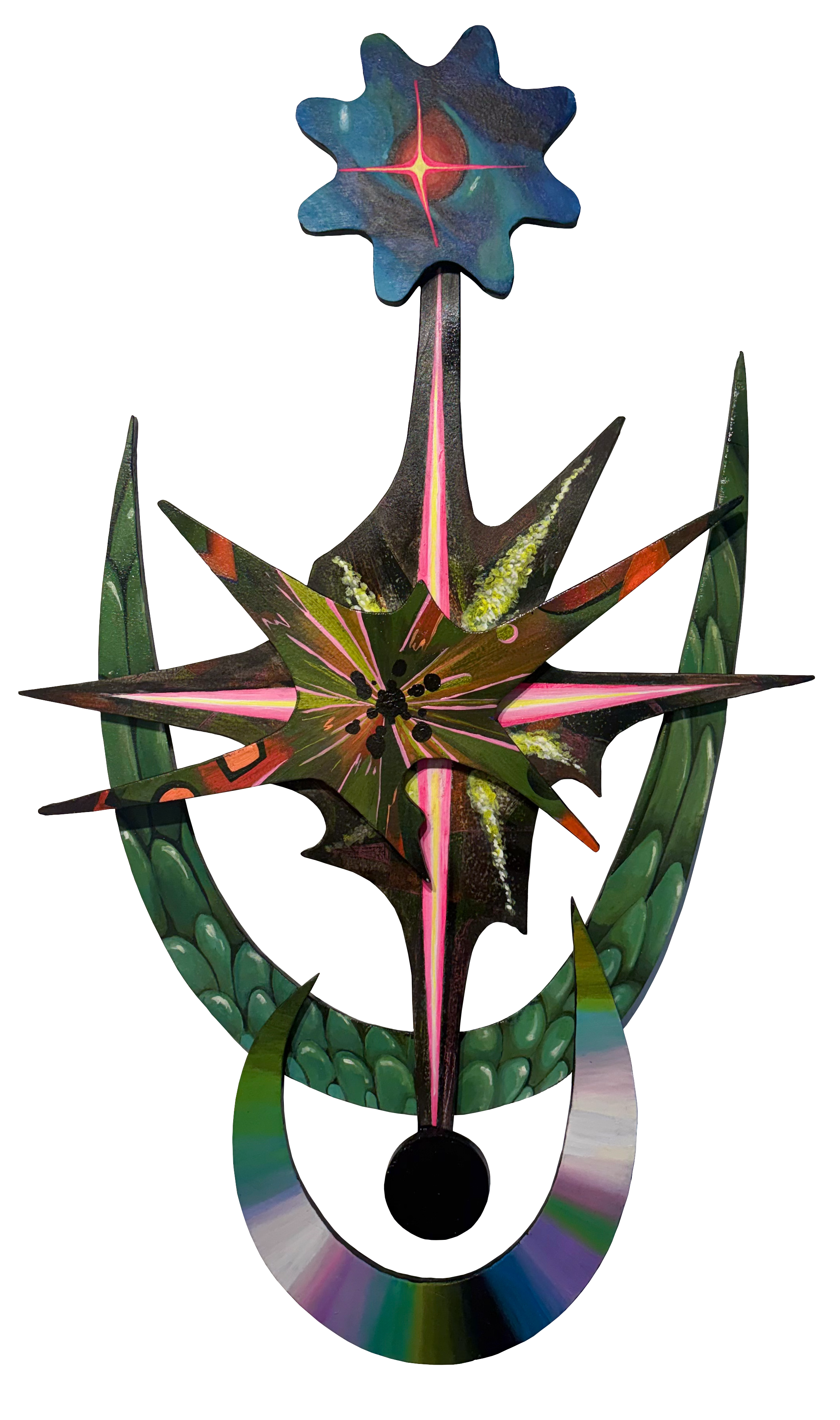
Ceona Gonzales One last orbit..., 2026
-
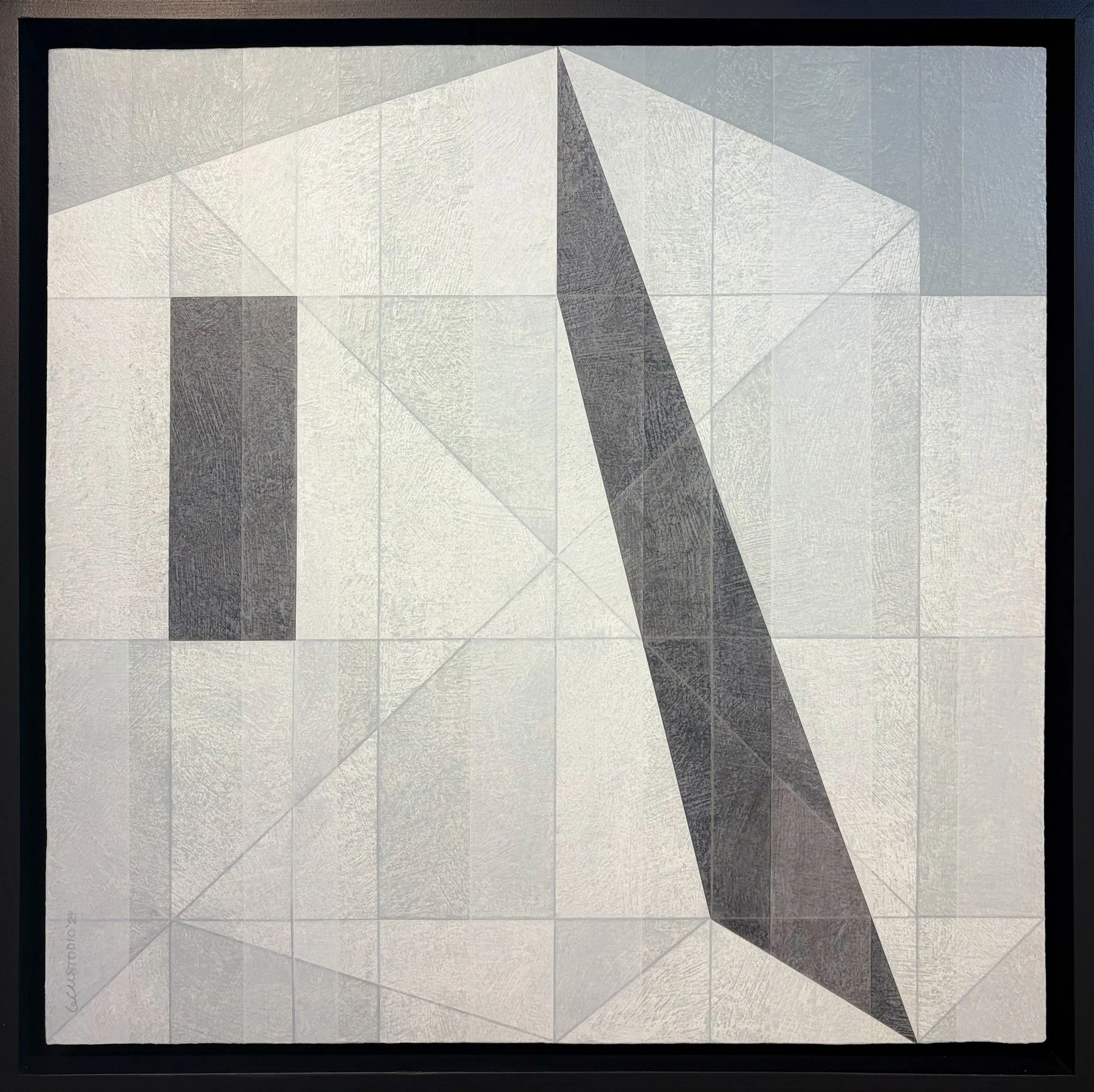
Gary Custodio
Prefab 101-B, 2024